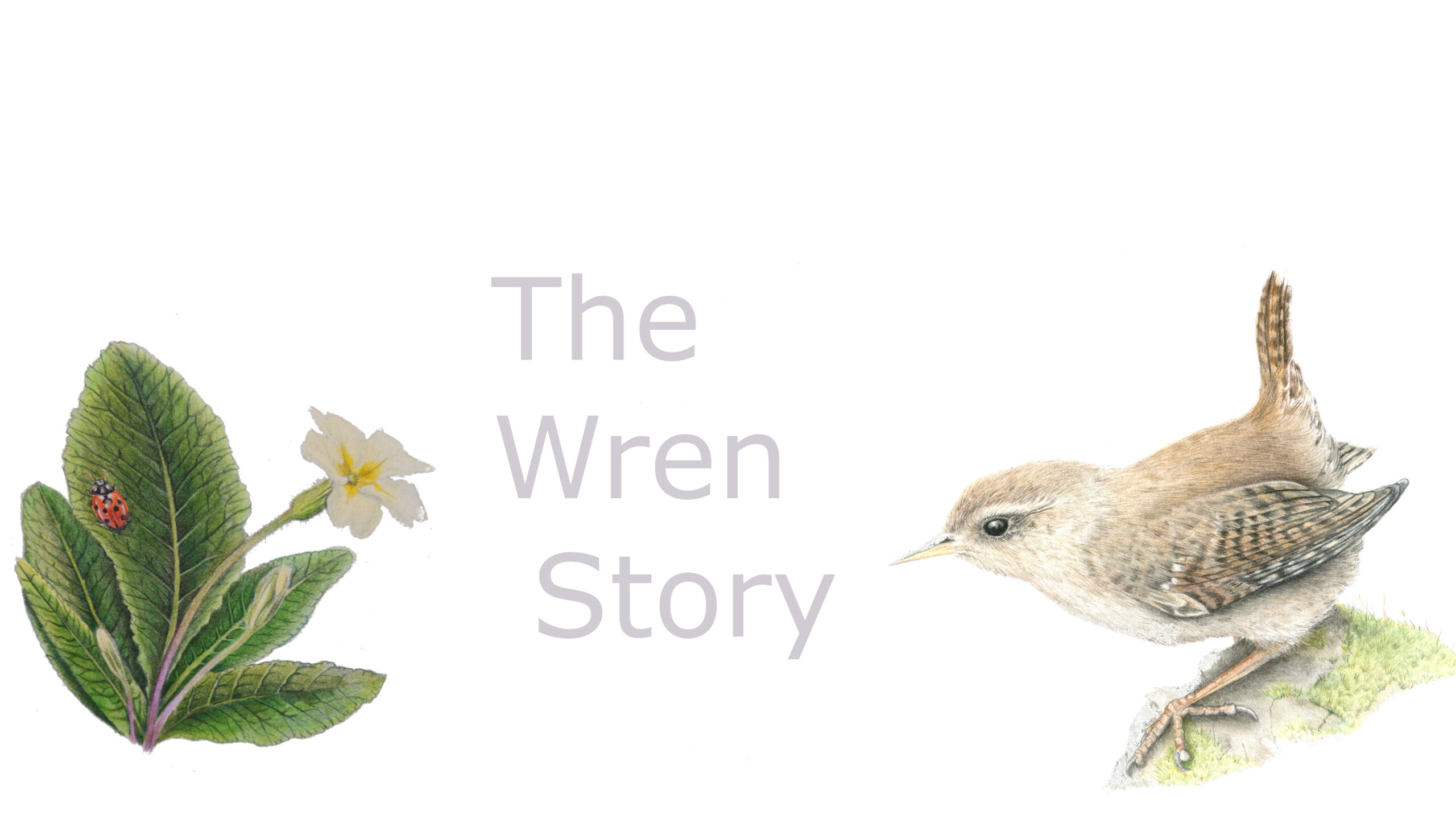
The Wren Story & Inspiration Generation
The Wren Story: Building New Pathways Between Children and Nature
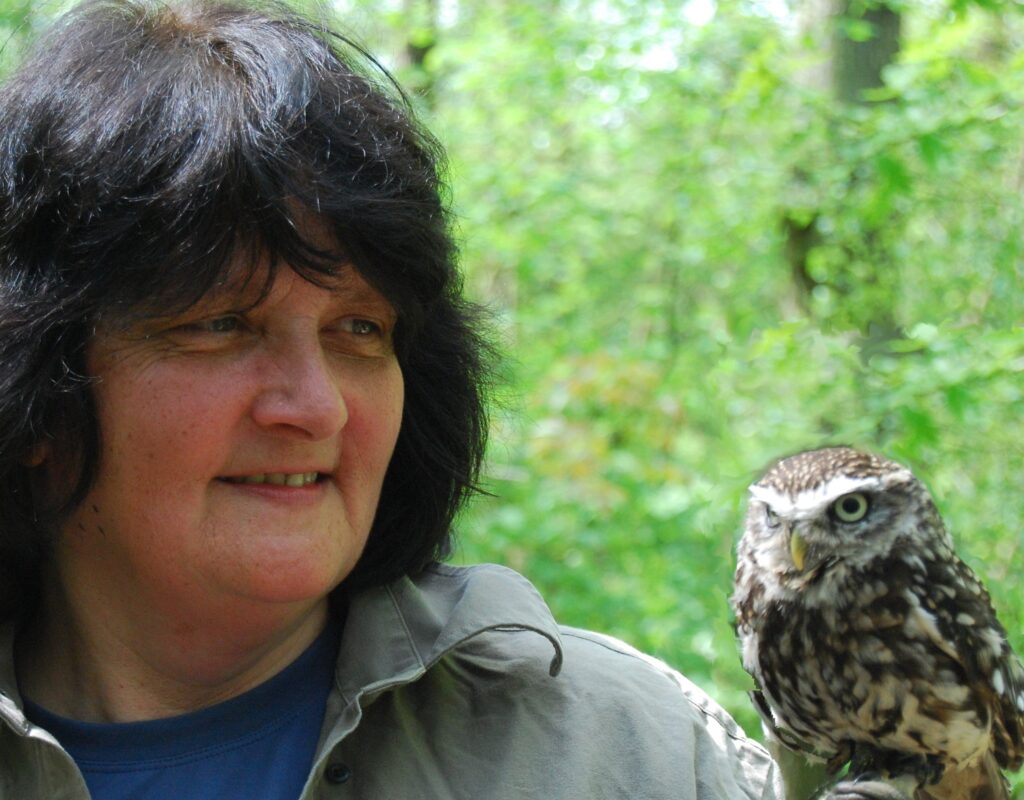
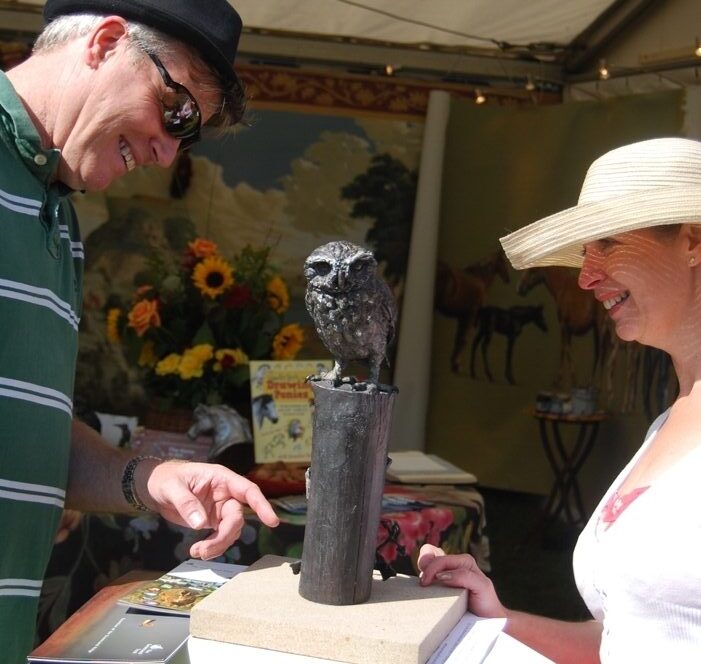
I have spent much of my life observing wildlife closely. I have been passionate about animals since a youngster, studied zoology and ecology at the University of Exeter and on through the years as a sculptor. Whether creating a life-sized bronze bird or watching a wren dart through a hedge, I am continually reminded that the future of conservation depends not only upon protecting species and habitats, but upon helping people care about them.
That thought became one of the inspirations behind The Wren Story.
At its heart, it is a children’s story. Yet from the beginning, I hoped it might become something more: a gentle introduction to the natural world, a starting point for curiosity, and perhaps a bridge between families and the remarkable conservation work being carried out across the country.
A Story Inspired by Wildlife

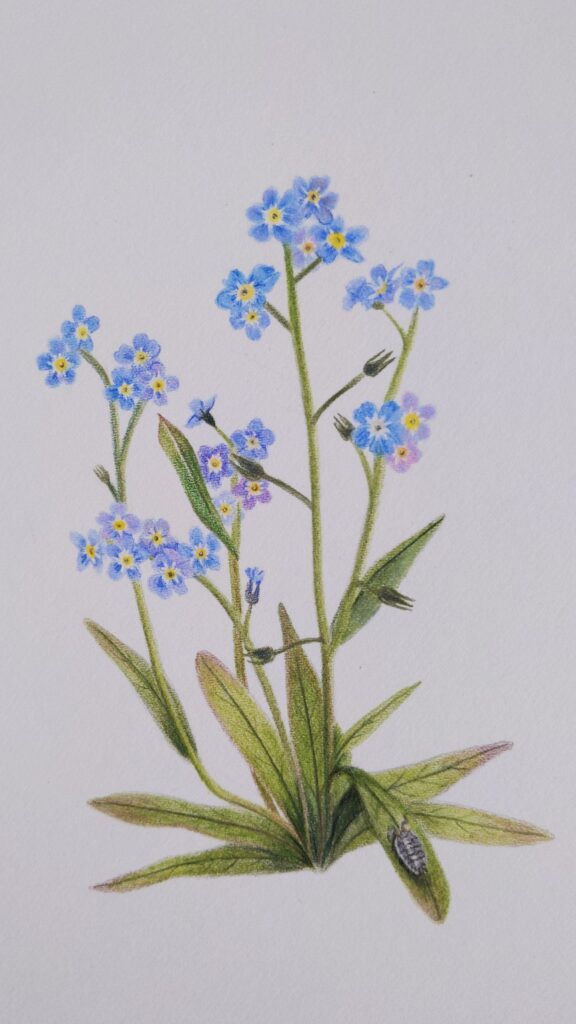
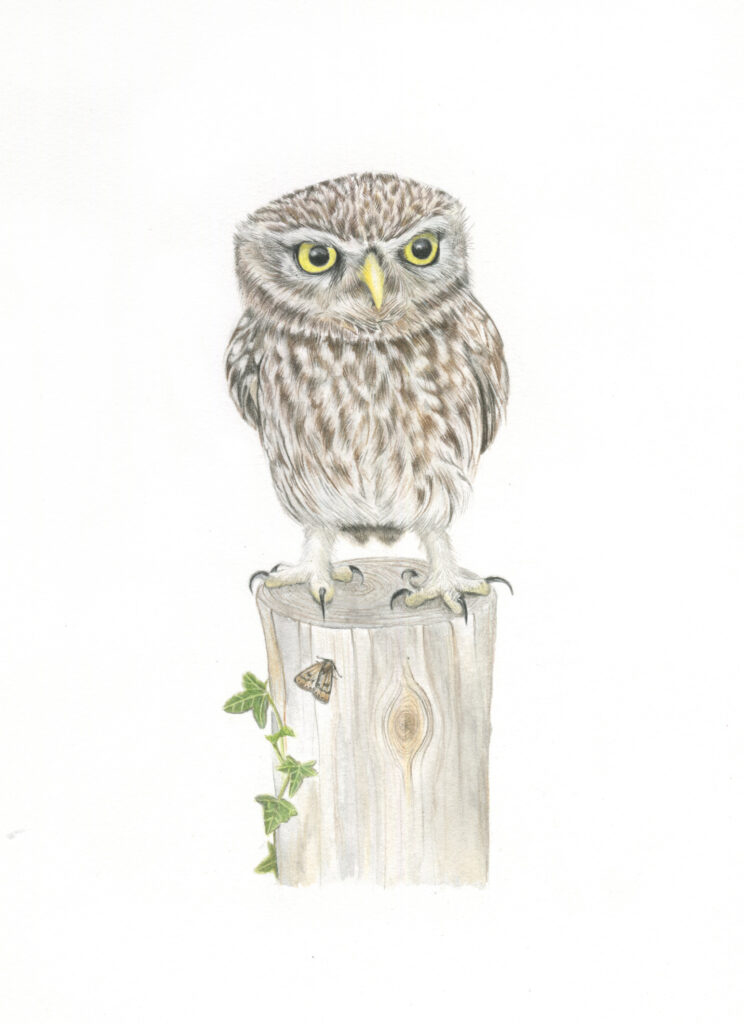
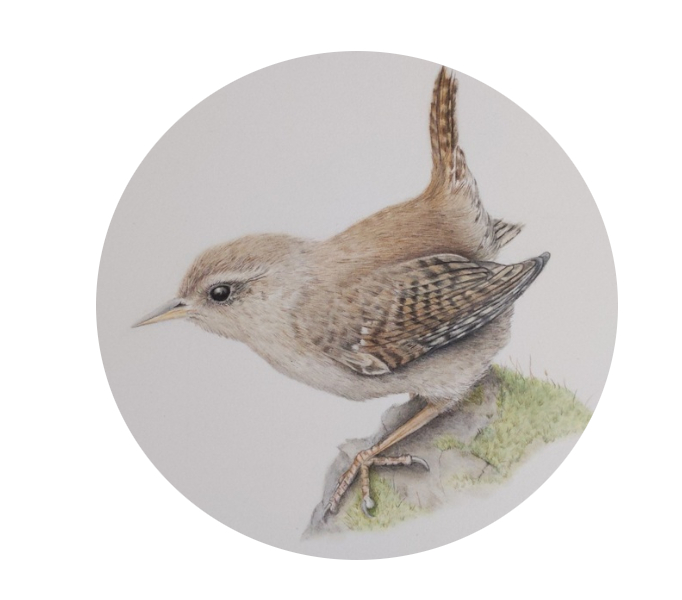
The story follows a mother wren as she sets out to ask the other birds what she should call her newly hatched babies.
Her journey introduces readers to a range of familiar British species, including the Robin, Goldfinch, Kingfisher, Swallow, Swift, Sand Martin and Little Owl. Along the way there are poems, wordplay, numbers and observations designed to encourage children to look more carefully at the world around them.
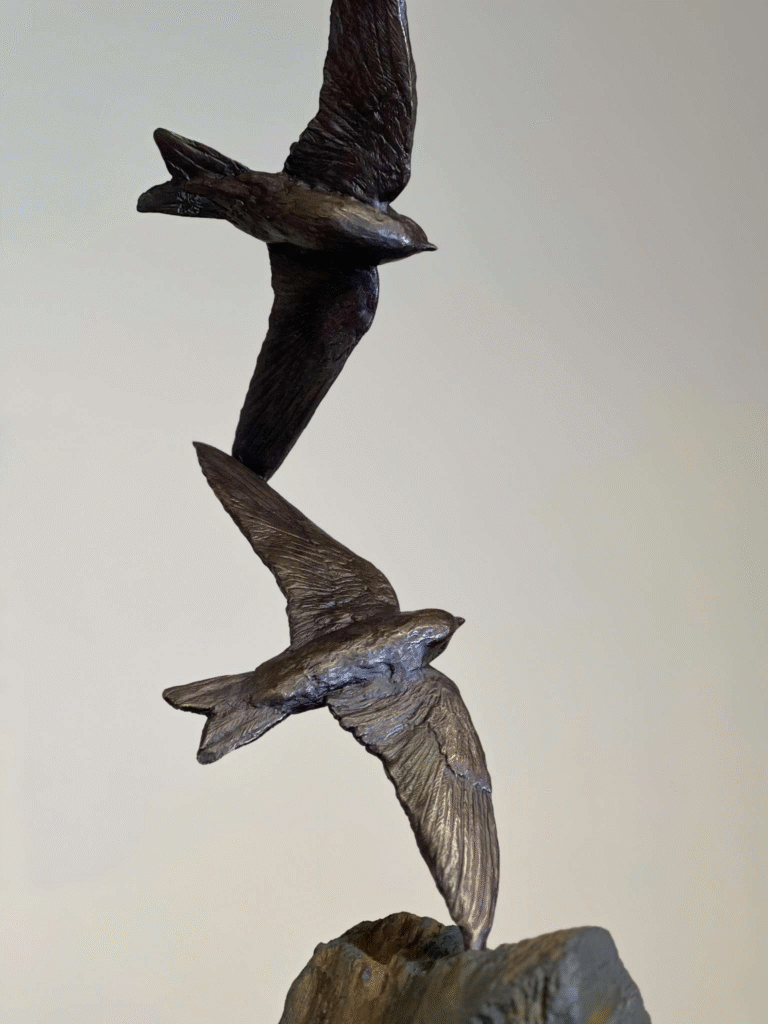
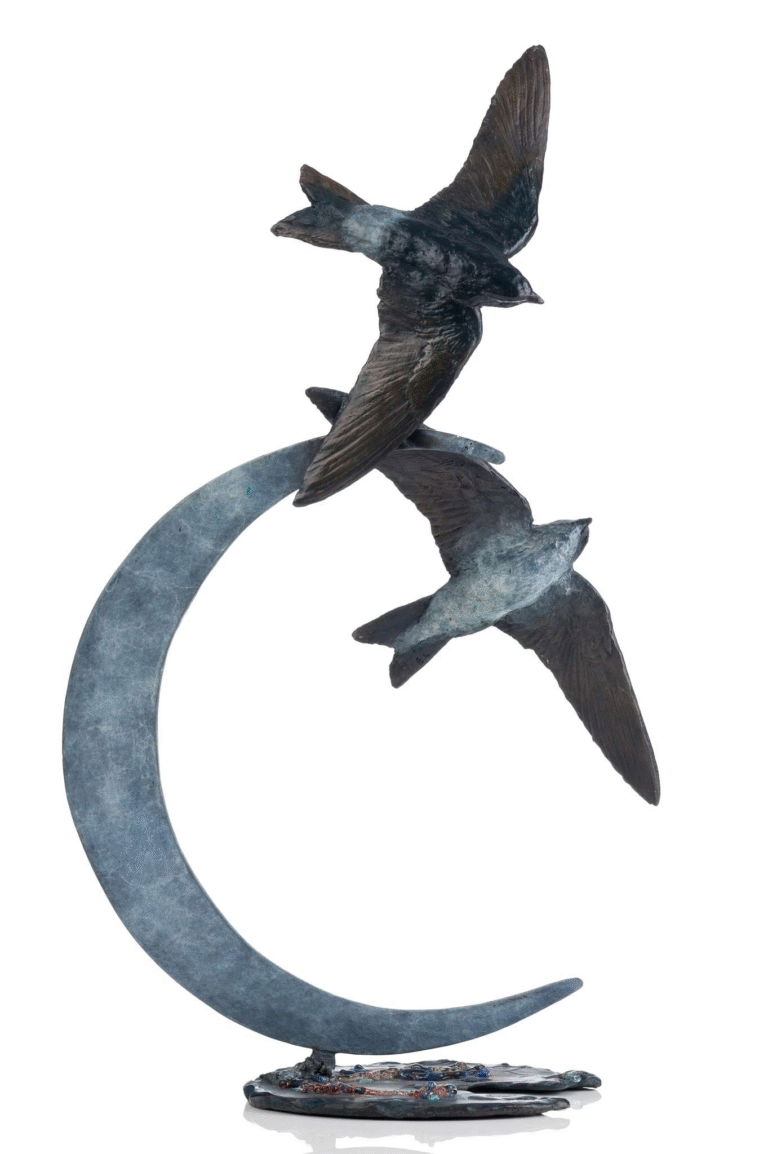
The illustrations, created in collaboration with Katie Hill-Lines, draw upon my wildlife sculptures while remaining firmly rooted in the appearance and character of the living birds themselves.
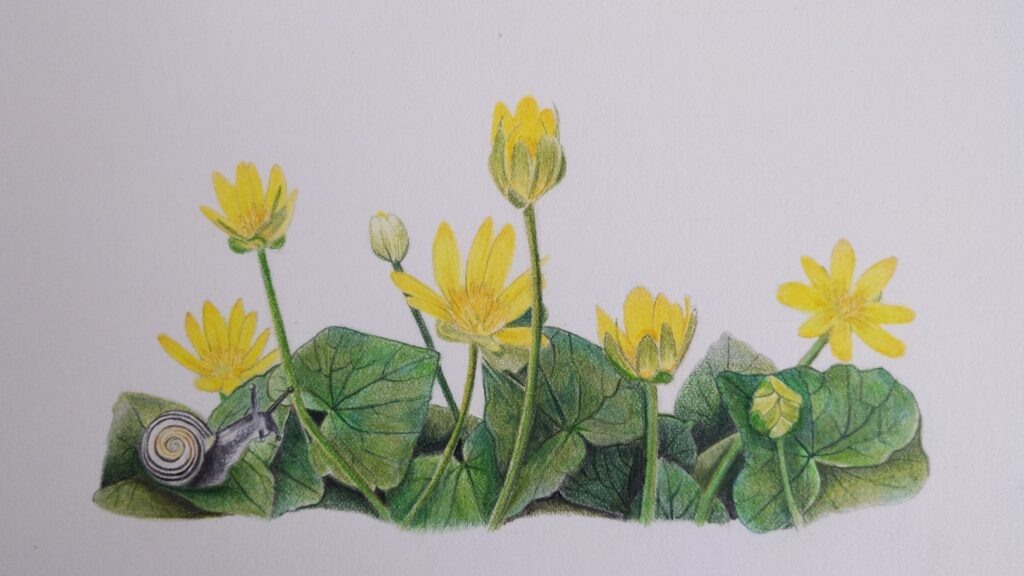
Like many of the most rewarding experiences in nature, the story also contains discoveries that are not immediately obvious. Hidden among the pages are insects, wildflowers and other creatures waiting to be found by observant readers.
Encouraging Curiosity
One of the great challenges facing all of us who care about wildlife is helping people move from awareness to engagement.
Many children know the names of animals from television or books. Fewer have the opportunity to recognise a Sand Martin above a riverbank, identify the food plant of a butterfly, or understand why a particular habitat matters.
Stories can help bridge that gap.
A child who becomes interested in a character may begin asking questions. A question may lead to observation. Observation often becomes understanding. Understanding can become lifelong interest and, ultimately, stewardship.
This progression may sound simple, but I believe it is enormously important.
Beyond the Pages
As the project developed, it became clear that The Wren’s Story could extend beyond a book.
The bird characters lend themselves naturally to sculpture trails, discovery routes and educational experiences within gardens, nature reserves, public spaces and visitor destinations.
Using sculptures, way-markers and interpretation points, families can physically follow the story through a landscape, encountering birds, habitats and other wildlife along the way.
Such trails are not intended to replace traditional interpretation. Rather, they offer another means of engagement—one that can be imaginative, welcoming and particularly effective for younger visitors and family groups.
Importantly, they can also encourage people to spend longer in a landscape, to explore more widely and to notice more carefully what is around them.
Seeking Scientific Partners
While the story itself is intentionally accessible and imaginative, I have become increasingly interested in developing a corollary and even companion publications. These would provide accurate and engaging information about the species featured within it. Even introducing the use of classification …Troglodytes troglodytes is a great start to discovering the scientific name, and some of the codes even within that nomenclature.
This would not be an academic textbook. Instead, it would be a carefully written guide that helps readers understand the birds, insects, plants and habitats they encounter in the story.
My ambition is that it should be scientifically sound whilst remaining enjoyable and accessible for families, teachers and young readers.
To achieve that, I am seeking the involvement of individuals and organisations with expertise in ecology, conservation, species recovery, environmental education and natural history.
I would particularly welcome conversations with Wildlife Trusts, the RSPB, rewilding organisations, reserve managers, educators and species specialists who may be interested in contributing knowledge, reviewing content or helping shape the project.
Creating Connections
I also believe there is an opportunity for the book and its companion resources to help connect readers with conservation organisations in practical ways.
When a child becomes interested in a Kingfisher, where can they go to learn more? When a family wishes to see wildlife in its natural setting, which reserve might they visit? If a teacher wishes to extend learning beyond the classroom, where can they find support?
These are precisely the kinds of connections I would like the project to facilitate.
I would be delighted to explore ways in which local Wildlife Trusts, the RSPB and other conservation bodies might be referenced within future editions and supporting materials, helping readers discover the places, projects and organisations that are actively working to restore nature.
Working Together
The conservation sector possesses extraordinary expertise. Artists and storytellers bring different skills, but our aims are often closely aligned.
Both seek to foster appreciation, understanding and care for the natural world.
How many Species did you see in the Illustrations??
My hope is that The Wren Story can become a meaningful contribution to helping children
If that ambition resonates with your organisation, I would be delighted to hear from you.